
August 6, 2026
Essential Pet Feeding Tips Every Pet Owner Should Know
Learn essential pet feeding tips to help your furry companion stay healthy and happy. Discover feeding schedules, portion control, hydration advice, and how to choose the right feeding accessories.
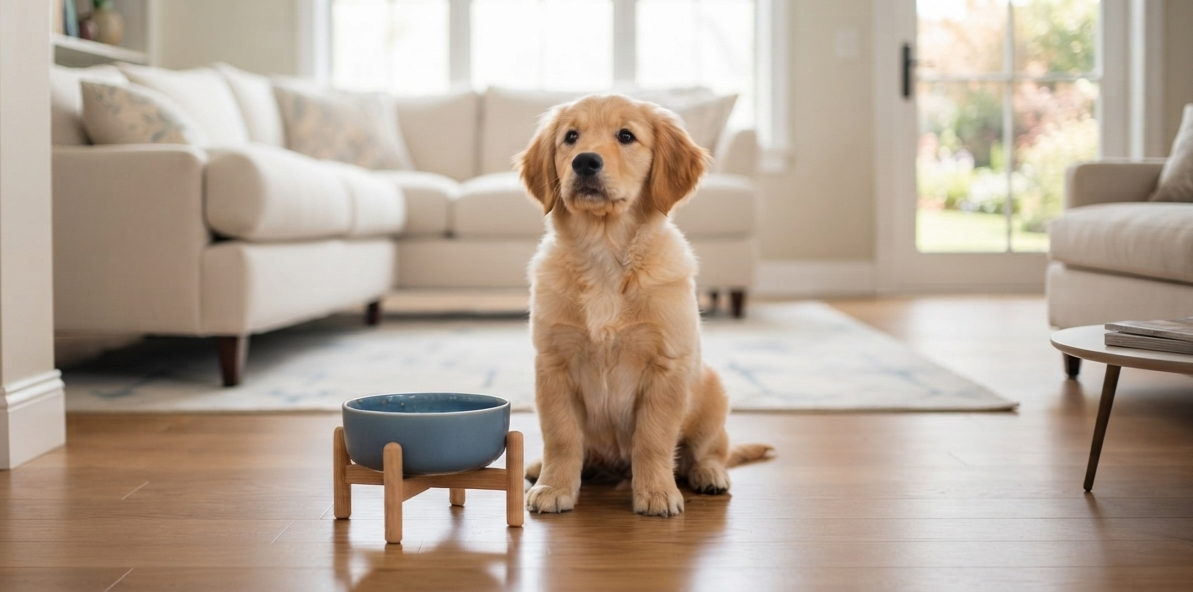
Providing proper nutrition is one of the most important responsibilities of every pet owner. A balanced feeding routine not only supports healthy growth but also contributes to your pet's energy levels, digestion, and overall well-being. While choosing quality food is essential, the way you feed your pet is equally important.
At Moistfinger, we believe that creating healthy feeding habits starts with understanding your pet's individual needs. From selecting the right feeding accessories to maintaining a consistent schedule, small daily habits can make a significant difference in your pet's quality of life.
Understand Your Pet's Nutritional Needs
Every pet is unique. Factors such as age, breed, body size, activity level, and lifestyle all influence nutritional requirements. Puppies and kittens require different feeding routines than adult or senior pets, while active animals often need more calories than those with a relaxed lifestyle.
Understanding these differences helps create a feeding routine that supports long-term health instead of simply filling the food bowl each day.
Maintain a Consistent Feeding Schedule
Pets thrive on routine. Feeding meals at consistent times each day helps support healthy digestion and allows pets to know when to expect food. Regular schedules also make it easier to monitor appetite, which can be an important indicator of overall health.
- Feed meals at similar times every day.
- Avoid frequent schedule changes whenever possible.
- Use measured portions instead of free-feeding when appropriate.
- Keep fresh water available at all times.
Choose the Right Feeding Accessories
The feeding bowl itself plays an important role in your pet's daily routine. Durable, easy-to-clean bowls help maintain hygiene while providing a comfortable eating experience.
Selecting an appropriately sized bowl prevents unnecessary spills and encourages comfortable eating. For some pets, elevated feeding bowls may also improve accessibility during mealtime.
Practice Proper Portion Control
Overfeeding is one of the most common challenges faced by pet owners. Excess food can contribute to unnecessary weight gain, while feeding too little may not provide enough nutrition to support an active lifestyle.
Using measured portions rather than estimating by eye helps maintain consistency and supports healthy weight management.
- Measure food accurately.
- Adjust portions based on your pet's activity level.
- Avoid excessive treats throughout the day.
- Monitor body condition regularly.
Fresh Water Is Always Essential
Proper hydration is just as important as proper nutrition. Pets should always have access to clean, fresh drinking water throughout the day.
Water bowls should be cleaned regularly to maintain freshness and encourage healthy drinking habits. During warm weather or after active play, pets may require additional water to remain comfortable.
Avoid Sudden Dietary Changes
Switching foods too quickly may upset your pet's digestive system. If changing to a different food, introduce the new option gradually over several days by mixing increasing amounts with the current food.
A gradual transition allows pets to adapt more comfortably while helping maintain consistent digestion.
Keep Feeding Areas Clean
A clean feeding environment contributes to better hygiene and a more enjoyable mealtime. Wash food and water bowls regularly using warm water and mild soap, and remove leftover food promptly when appropriate.
Maintaining a tidy feeding area also helps reduce unwanted odors and keeps your home more organized.
Observe Eating Habits
Watching how your pet eats can provide valuable insight into their health. Changes in appetite, eating speed, or interest in food may indicate that something has changed in their daily routine.
Regular observation allows pet owners to notice unusual behaviors early and better understand their companion's normal habits.
Reward Responsibly
Treats are an excellent way to encourage positive behavior and strengthen the bond between you and your pet. However, treats should complement a balanced diet rather than replace regular meals.
Choose treats in moderation and include them as part of your pet's overall daily food intake to help maintain healthy nutrition.
Build Healthy Habits for Life
Healthy feeding routines are built through consistency, patience, and attention to your pet's changing needs. Simple habits such as measuring portions, maintaining clean feeding equipment, providing fresh water, and following a regular schedule can contribute to a happier and healthier life for your companion.
As pets grow and their lifestyles evolve, reviewing feeding routines periodically helps ensure they continue receiving appropriate care.
Conclusion
Feeding your pet is about much more than providing food. It is an opportunity to support long-term health, establish daily routines, and strengthen the relationship you share with your furry companion. By choosing quality feeding accessories, maintaining consistent schedules, practicing portion control, and encouraging healthy hydration, every meal becomes part of your pet's overall wellness.
At Moistfinger, we are committed to helping pet owners create enjoyable everyday routines with carefully selected pet feeding products, practical accessories, and dependable essentials designed to make caring for your beloved companion easier every day.